
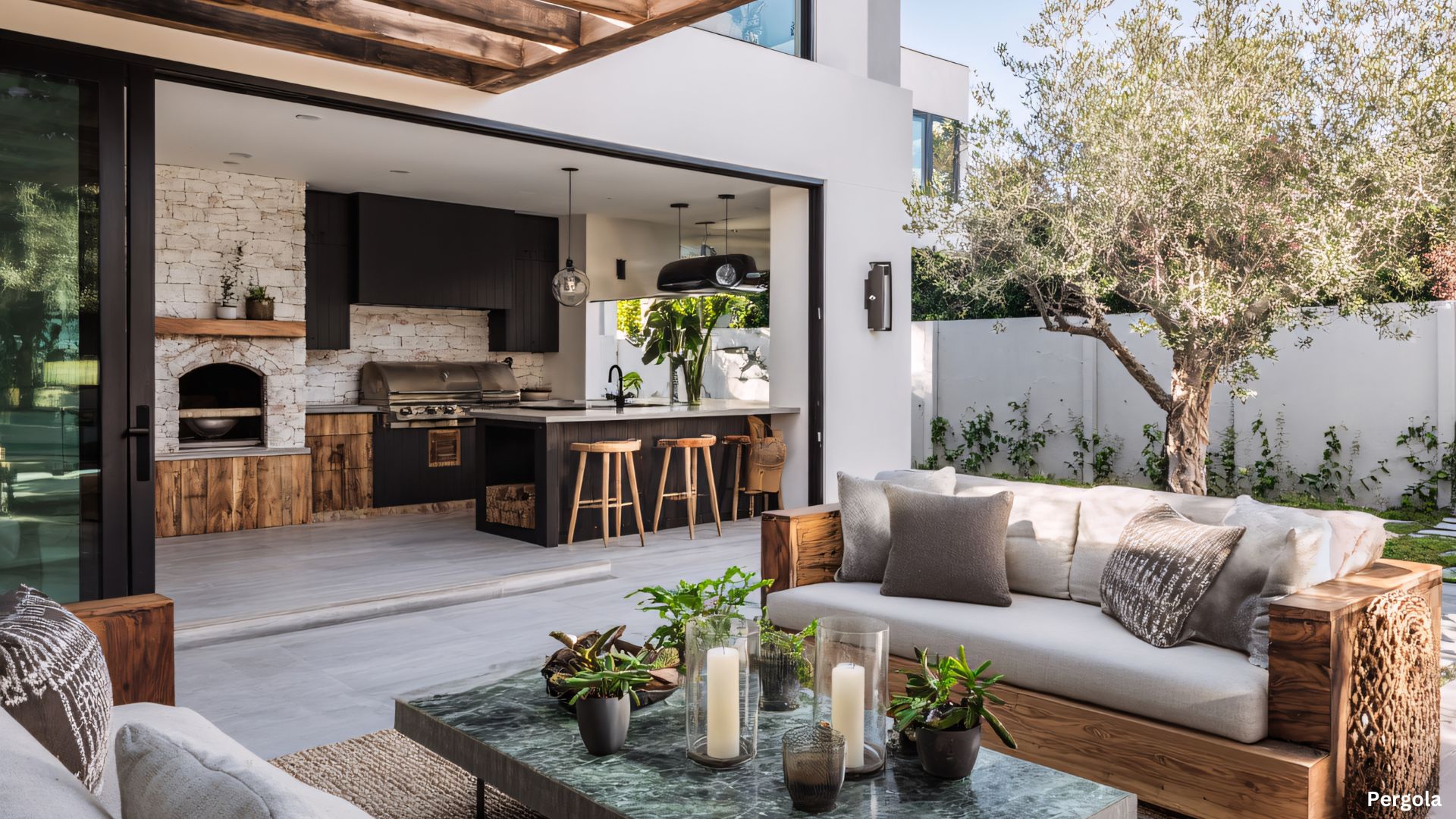
A pergola is an invitation to live outdoors. To make that invitation irresistible you need the right furniture for pergola spaces — pieces that survive sun, rain, and wind while delivering comfort and style. This guide walks you through the materials, seating and table types, cushions and fabrics, layout tips, and care advice so your PiPergola space becomes a true outdoor room.
Pergola Furniture Ideas
Pick Materials That Withstand the Elements
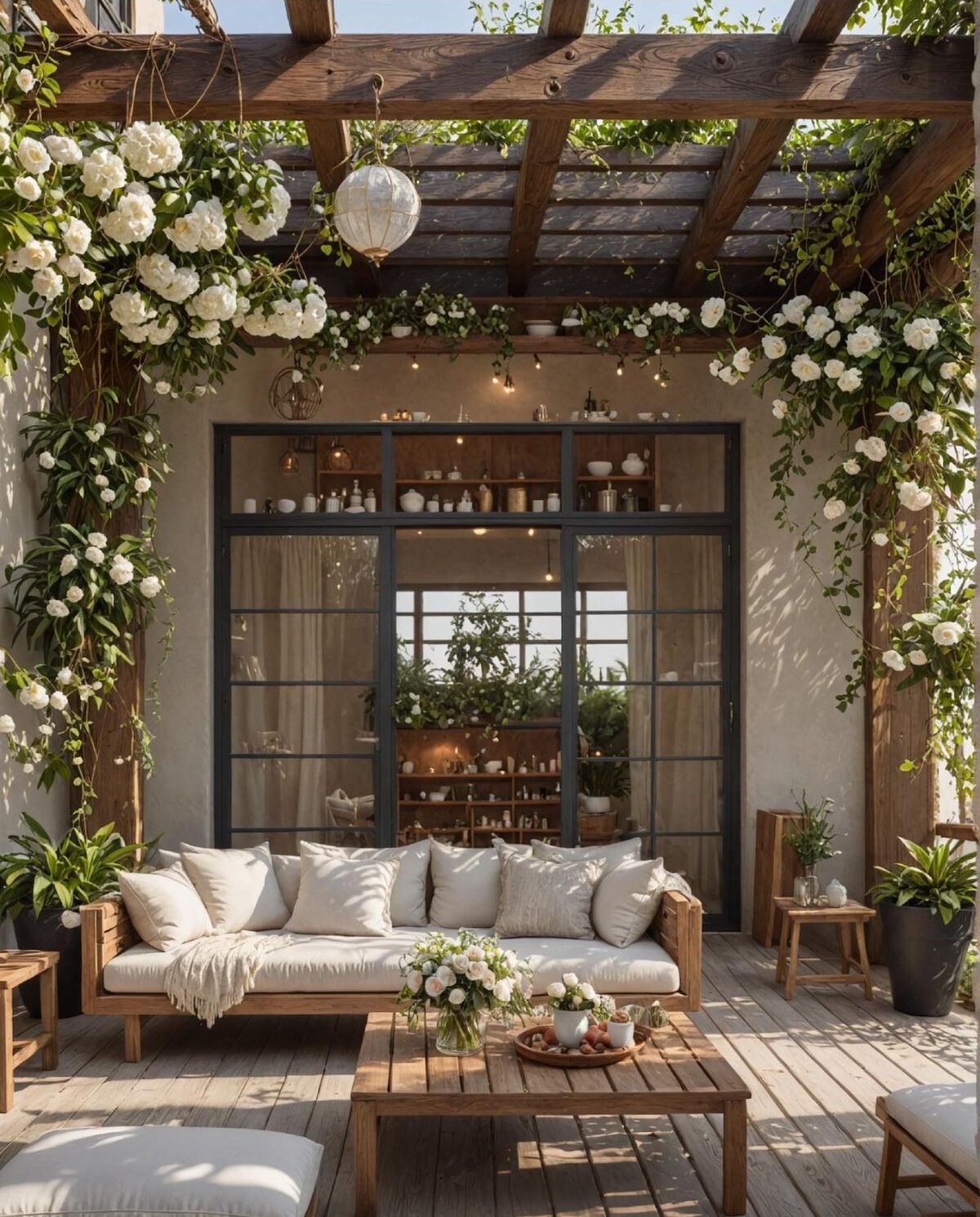
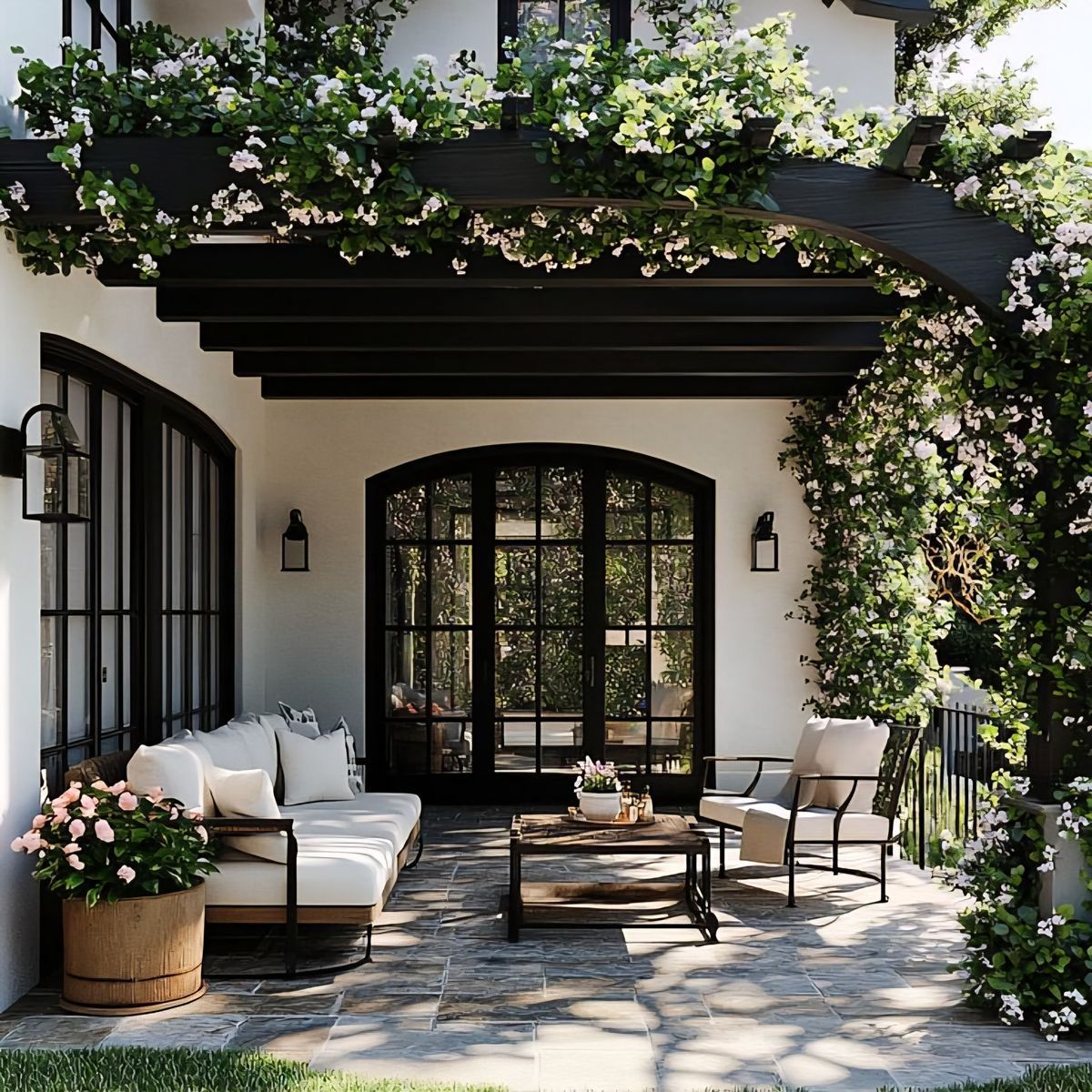
Start with the frame. The most reliable outdoor frame materials are teak, powder coated aluminum, and synthetic resin wicker (HDPE or polyethylene wicker). Teak brings natural oils that resist rot and weathering. Powder coated aluminum is lightweight, rust resistant, and won’t corrode. High-quality synthetic wicker wraps rust-resistant frames and gives the woven look with far less upkeep than natural rattan. These materials balance durability with style for year-round use.
Choose Fabrics and Cushion Cores That Don’t Turn into Mildew
For cushions, choose solution-dyed acrylic fabrics — the industry leader is Sunbrella — for fade resistance, water repellency, and easy cleaning. Pair those covers with quick-dry or reticulated foam cores so moisture drains instead of getting trapped. That combo reduces mold risk and keeps cushions comfortable season after season.
Furniture Types That Work Best Under a Pergola
- Lounge Sets: Modular sectionals and deep seating make a pergola feel like an outdoor living room. Choose quick-dry cushions and powder coated frames for low maintenance.
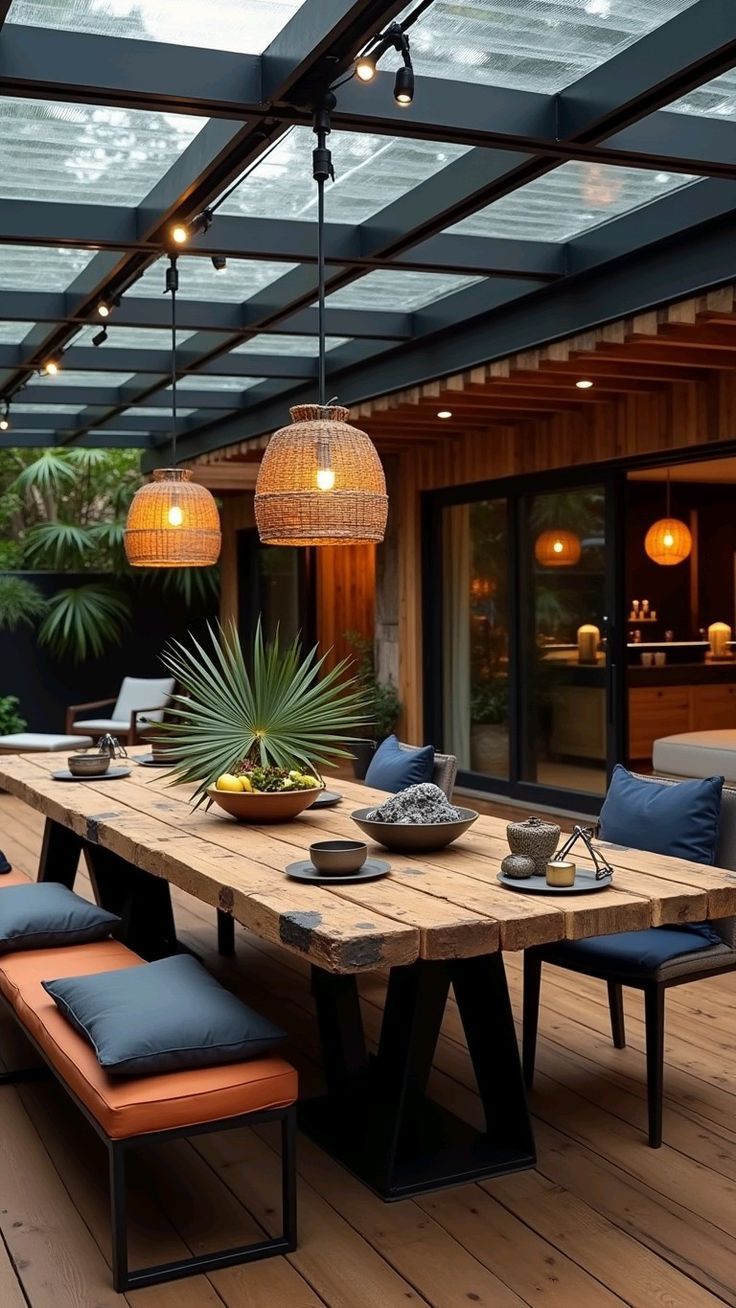
- Dining Sets: Look for durable tabletops (teak, powder coated aluminum, or composite/HDPE) and chairs that stack or tuck to save space.
- Bistro Sets and Benches: Ideal for small pergolas or to create multiple seating zones without crowding.
- Swings and Hanging Chairs: If your pergola is properly anchored, hanging seating adds a playful, cozy vibe — just confirm load ratings before installing.
These choices let you tailor the space for entertaining, dining, or quiet lounging.
Design and Layout: Scale, Flow, and Function
Measure first. Allow at least 30–36 inches of clearance behind chairs for movement and 42–48 inches for dining traffic. Create dedicated zones: one for dining, another for lounging. Use rugs sized to anchor furniture (an 8×10 rug works for many U-shaped sectionals). Keep sightlines open so the pergola feels breezy, and use multi-function pieces like ottomans that double as tables to maximize flexibility.
Wind, Weight and Safety: Secure What Matters
Pergolas can funnel wind. Lightweight furniture or umbrellas can become hazards in gusts. Use these practical strategies: choose heavier pieces or add weight to bases, use tie-down straps or anchoring cables for rooftop or very exposed installations, and consider bolting permanent benches or tables where appropriate. For high exposure locations consider anchoring options or choose materials with lower wind profile. Proper anchoring of the pergola itself also reduces movement and noise.
Maintenance That Keeps Your Investment Looking New
- Rinse frames occasionally, clean cushions per manufacturer instructions, and reapply teak oil only if you want to preserve a golden tone.
- Store or cover cushions during prolonged wet seasons, and use breathable furniture covers with tie-downs when leaving items outside for long periods.
- For fabrics like Sunbrella, routine soap-and-water cleaning handles most spills; consult the brand care guides for tougher stains. Regular maintenance extends life and keeps surfaces safe.
Styling Tips to Make a Pergola Pop
Layer textiles and plants. Use neutral furniture frames and add color with outdoor-grade pillows and rugs. Mix textures: a teak table, woven lounge chairs, and metal side tables create visual interest. Lighting is essential: string lights, lanterns, and low-profile LED fixtures turn evenings into magic. Consider privacy screens or retractable windbreaks if you want shelter without closing the pergola off completely.
Where to Shop and What to Expect
Reputable retailers and specialty outdoor brands offer weather-rated collections, and you’ll often find quick-dry cushion options, Sunbrella covers, and teak or HDPE lines. Look for clear product specs: frame material, fabric type, cushion core, and any finishes or warranties. Shopping at established outlets gives better options for replacement cushions and parts down the line.
Quick Checklist Before You Buy
- Does the piece list the frame material and finish? Prefer teak, powder coated aluminum, or HDPE.
- Are cushion fabrics solution-dyed acrylic like Sunbrella?
- Is the cushion core quick-dry or reticulated foam?
- Can the furniture be anchored or weighted if your pergola is in an exposed spot?
- Is spare cushion fabric and replacement hardware available from the maker?
Final Thoughts
Choosing furniture for pergola spaces is about matching durability to comfort and style. Start with weatherproof frames, pick performance fabrics and quick-dry foam, plan layouts for flow, and secure pieces in windy settings. With those choices you’ll turn your PiPergola into a comfortable, low-maintenance outdoor living room that invites friends and family all year round.

