

A pergola can turn a backyard into a favorite living room under the sky, but a few wrong choices can turn that dream into a headache. Many homeowners learn the hard way which pergola mistakes cost time, money, and style. This guide walks through the most common errors and gives practical fixes so your next outdoor project lasts and looks great.
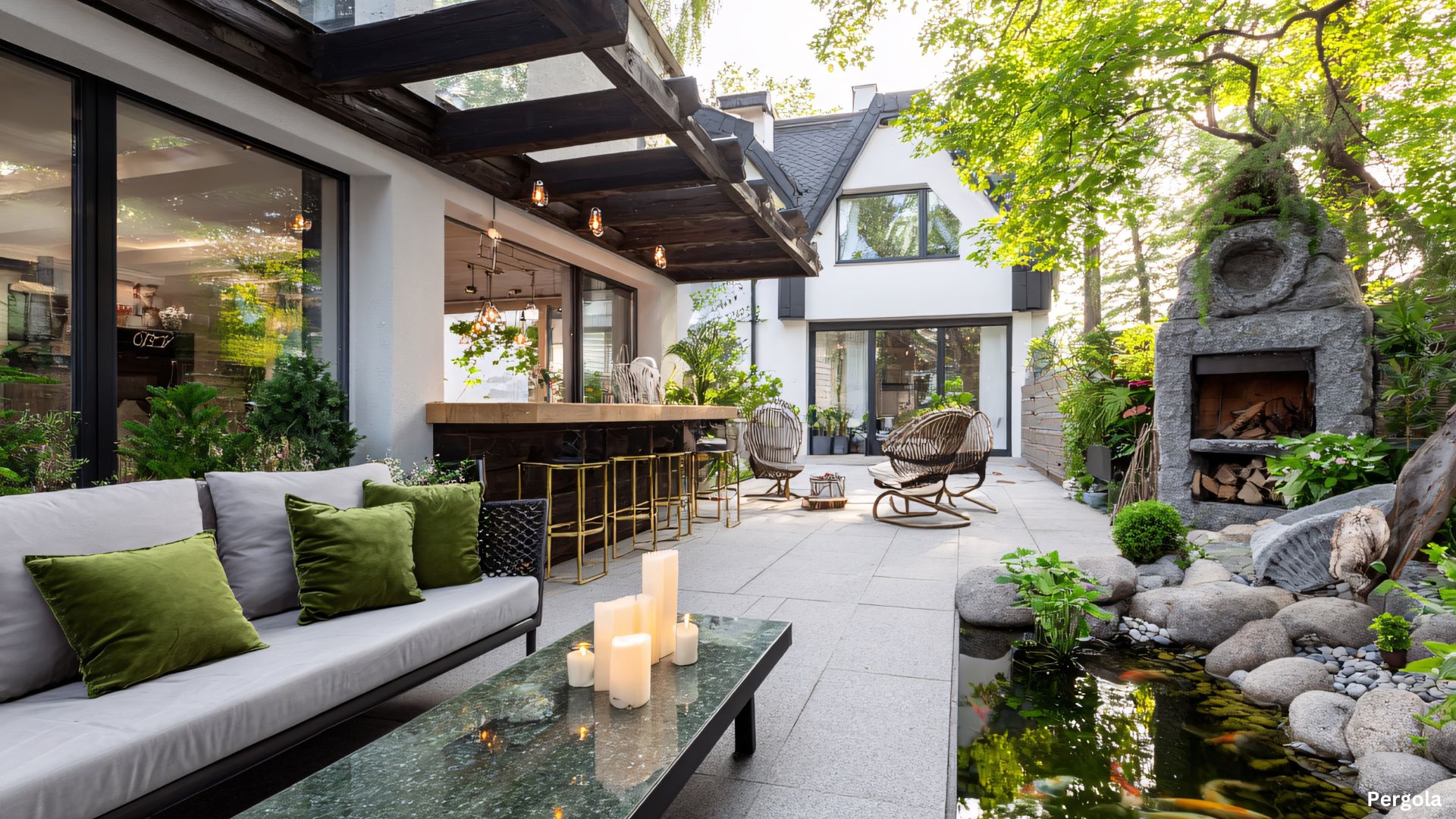
Fix pergola mistakes early: plan for anchoring, maintenance, plant load, and electrical needs to prevent costly repairs and safety issues.
Avoid These Pergola Mistakes
1. Choosing The Wrong Materials
One of the earliest and costliest pergola mistakes is picking materials that do not suit your climate or maintenance willingness. Untreated softwoods rot, warp, and attract pests quickly. Cedar and pressure-treated timber resist decay better but need finishing and periodic care. Vinyl and aluminum reduce maintenance but offer a different aesthetic and structural behavior. Choosing the right material up front saves replacement and repair costs later.
Quick Fix: Match materials to your region and maintenance plan. If you love the look of wood but want less upkeep, consider a high-grade cedar with proper sealing or a composite alternative.
2. Skipping Permits and Ignoring Local Rules
Assuming a pergola is “just a garden feature” is a common trap. Local building codes, zoning rules, and HOA restrictions can govern pergola height, setback from property lines, and whether a permit is required. Skipping permits may lead to fines or having to alter or remove the structure later. Always check municipal rules and HOA covenants before you start.
Quick Fix: Contact your local building department or check HOA guidelines early in planning. That small step prevents big delays and unexpected costs.
3. Poor Anchoring and Foundation
A beautiful pergola that is not properly anchored can wobble, fail in high winds, or rot from posts sitting directly in the soil. Footings and base anchors sized to local soil and wind conditions are essential. Different surfaces require different anchoring methods, from concrete footings under posts to specialized brackets for mounting on patios. Overlooking foundation work is a frequent pergola mistake with safety and longevity implications.
Quick Fix: Invest in correct footings and galvanized metal post bases to elevate wood posts from soil. When in doubt, consult a structural pro.
4. Wrong Size, Scale, and Placement
A pergola that overwhelms a yard or is too small for intended uses looks awkward and underperforms. Proper proportions consider surrounding architecture, circulation paths, and furniture. Leave clearance for movement around the pergola and plan for roofline and door alignment if attached to the house. Sizing is not just aesthetic; a pergola that is too close to property boundaries can trigger planning rules.
Quick Fix: Measure your outdoor area and sketch furniture and walk paths before finalizing size. A simple rule is to allow at least three feet of open space around the structure for comfort.
5. Not Planning For Shade, Water, And Drainage
Many homeowners build an open-slatted pergola expecting instant usable shade and protection. While pergolas provide filtered light, they do not block rain. If your goal is shelter, a louvered roof or integrated canopy is a better choice. Also plan how water will drain; roof attachments, gutters, and the slope of adjoining surfaces matter. Ignoring drainage leads to pooling, rot, and damage to adjacent decks or foundations.
Quick Fix: Decide whether your pergola needs full weather protection. Add waterproof roofing, retractable fabric, or gutters when needed.
6. Climbing Plants Without Structural Planning
Vines create the classic pergola look, but they also add significant weight and moisture. Fast-growing vines can accelerate rot on wooden members and increase wind load. Failing to account for plant load and maintenance is a frequent pergola mistake that shortens lifespan.
Quick Fix: Choose lightweight, seasonal climbers for wood pergolas or reinforce beams if you plan heavy perennial vines. Provide trimming access and avoid allowing plants to trap moisture against structural members.
7. Overlooking Details: Fasteners, Flashing, And Finishes
Using the wrong fasteners or skipping flashing where a pergola meets the house invites water penetration, rust, and structural failure. Cutting corners on paint, stain, or sealants leaves materials exposed to sun and moisture. These seemingly small choices become costly over time.
Quick Fix: Use corrosion-resistant hardware and install proper flashing at attachment points. Follow manufacturer recommendations for finishes and recoat on a schedule.
8. Ignoring Use Cases And Wiring Needs
Plan how you will actually use the space. Outdoor kitchens, lighting, heaters, fans, and speakers all require wiring or clearances. Retrofitting power or structural supports after the pergola is built is usually more expensive and invasive. Leaving out electrical planning is a common pergola mistake that limits enjoyment.
Quick Fix: Sketch intended uses and consult an electrician early so wiring and outlets are integrated into the build plan.
9. Failing To Match The Home’s Architecture
A pergola that clashes with the house’s style looks like an afterthought. Material choices, color, column style, and proportions should complement the architecture and existing hardscape. Mismatched design reduces curb appeal and can hurt resale value.
Quick Fix: Pull visual cues from rooflines, trim, and exterior finishes. Keep a consistent scale and repeat materials where possible.
Maintenance Habits People Skip
Finally, even a perfectly built pergola needs checks: tighten fasteners, reseal wood, clean gutters, and inspect anchors after storms. Neglecting maintenance is a top reason homeowners end up regretting their pergola investment. Proper upkeep prevents most repair bills.
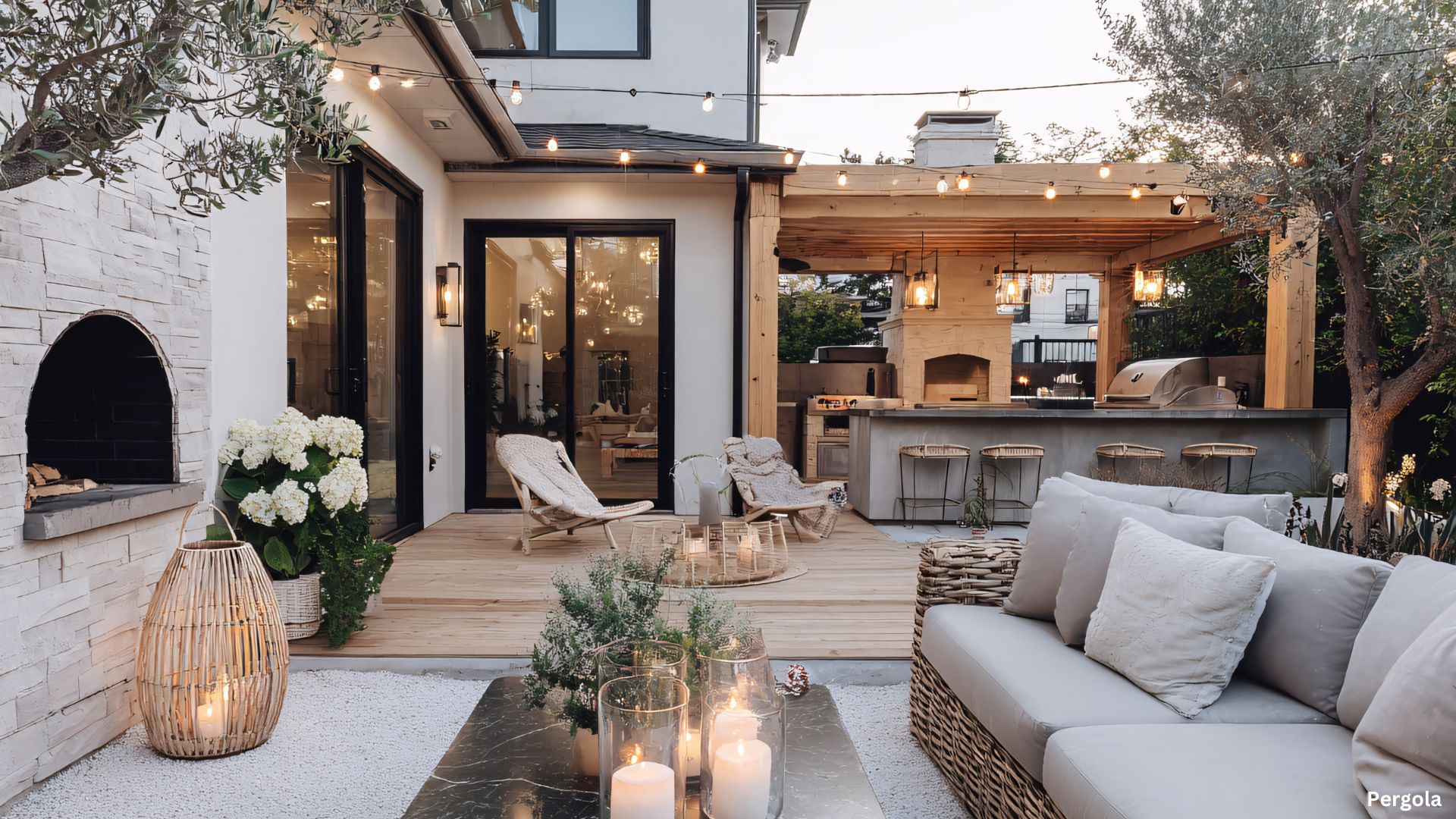
These pergola mistakes can be avoided with careful planning.
Avoid These Mistakes and Protect Your Investment
Many pergola mistakes come from skipping planning: the wrong materials, missing permits, inadequate anchoring, poor sizing, and failing to plan for water, plants, and electrical needs. A little homework up front—checking codes, picking suitable materials, designing for use, and investing in proper foundations—keeps your pergola beautiful and safe for years. If you want help designing a pergola that fits your space and budget, PiPergola can help you get it right the first time.

