
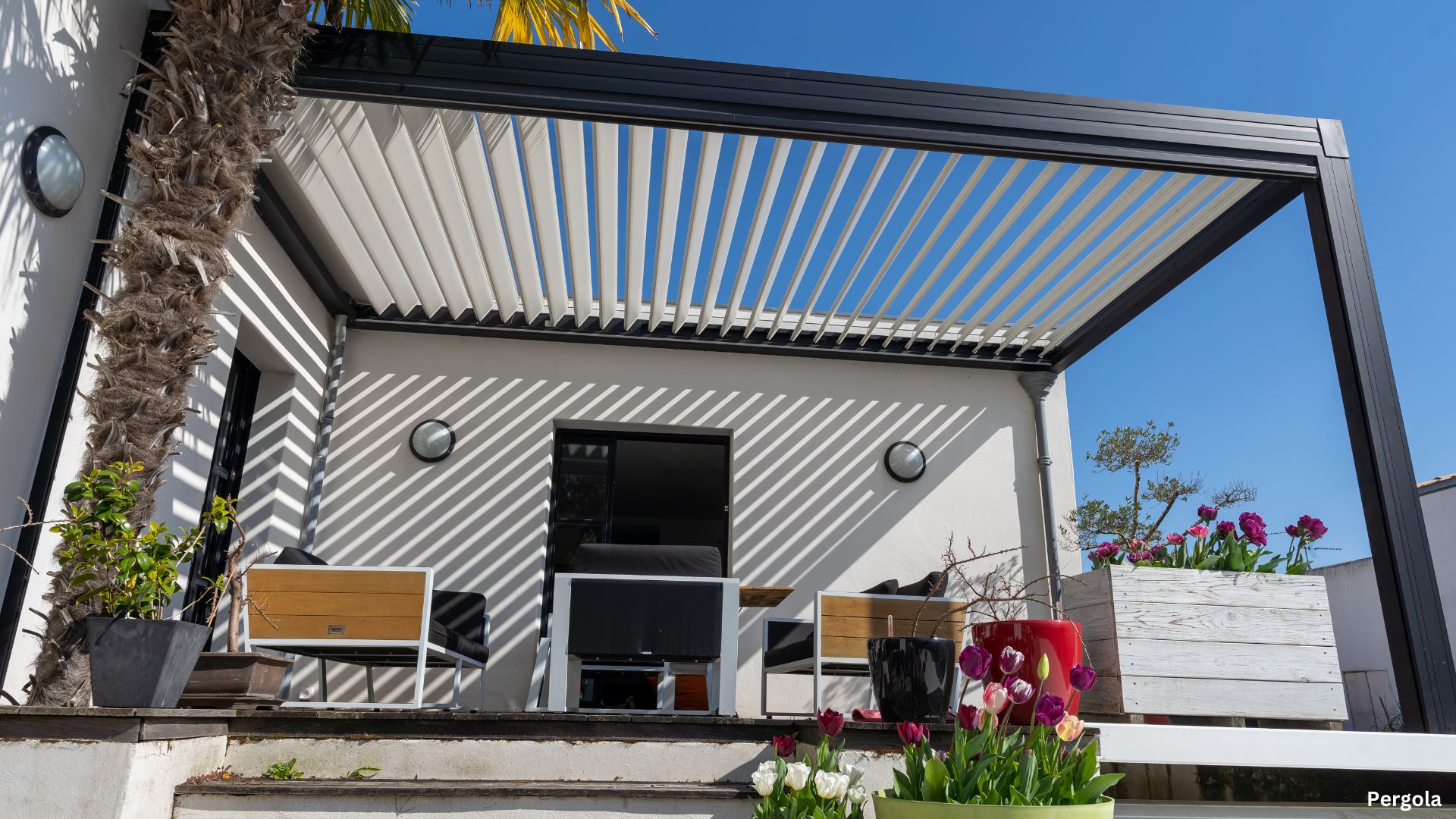
Choosing the right pergola materials is one of the smartest decisions you can make when creating an outdoor space that looks good and performs well over time. Wood, aluminum, and vinyl each bring distinct benefits, costs, and maintenance requirements. Understanding how they compare helps you invest with confidence and avoid surprises later.
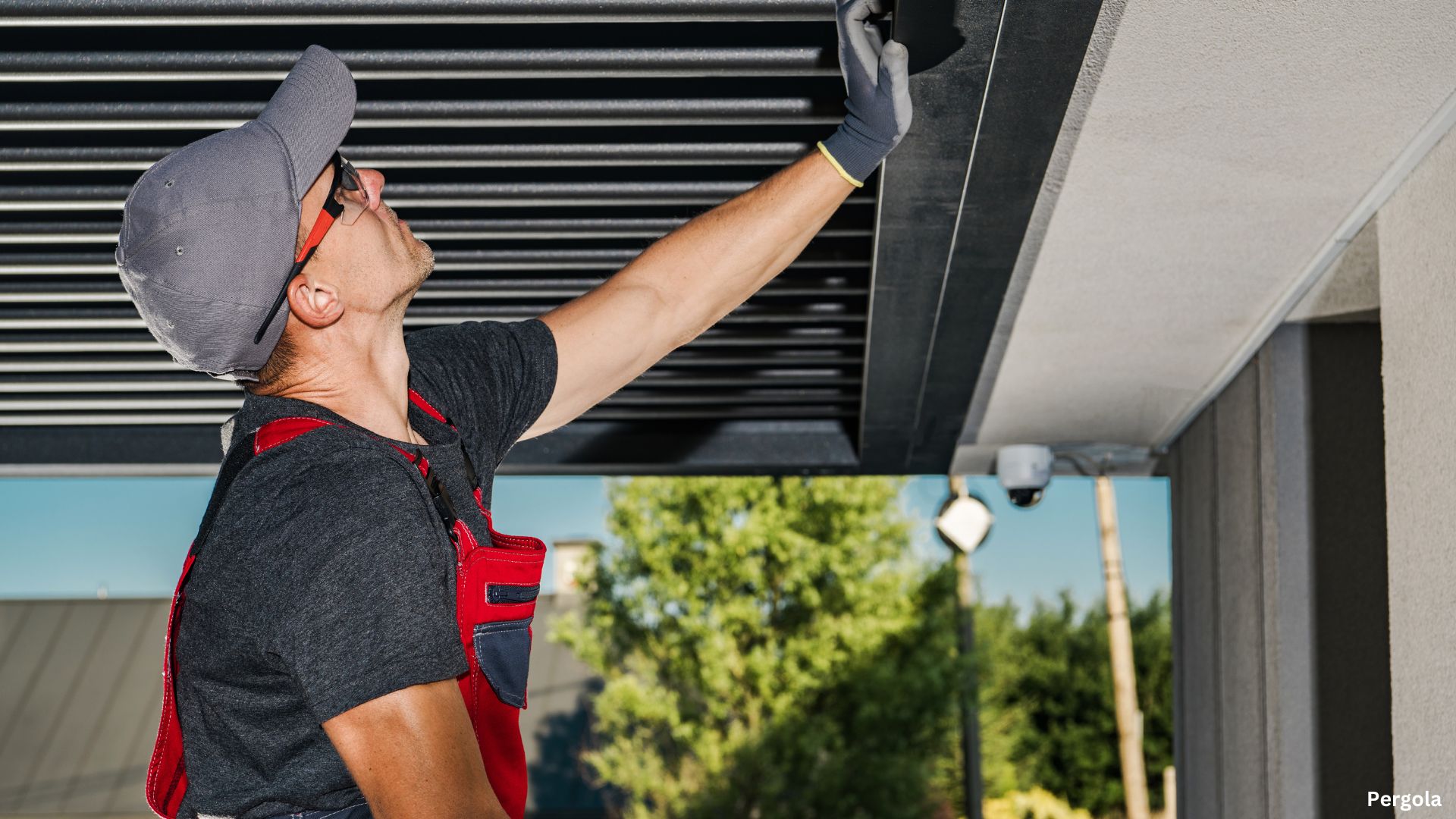
Need help choosing pergola materials? Read our side-by-side guide on durability, upkeep, and value.
Quick Snapshot: Which Material Fits You
If you want a classic and natural look with strong customization options, wood may be the right choice. For low maintenance and long-term durability matter most, aluminum stands out. If you want an affordable and easy-care option for mild climates, vinyl is worth considering.
Why Material Choice Matters
The pergola material you choose affects appearance, lifespan, upkeep, and how the structure holds up against sun, wind, moisture, and seasonal changes. Some materials demand ongoing care but offer unmatched warmth and character. Others focus on performance and longevity with minimal effort. Making the right choice early can save time and money over the life of your pergola.
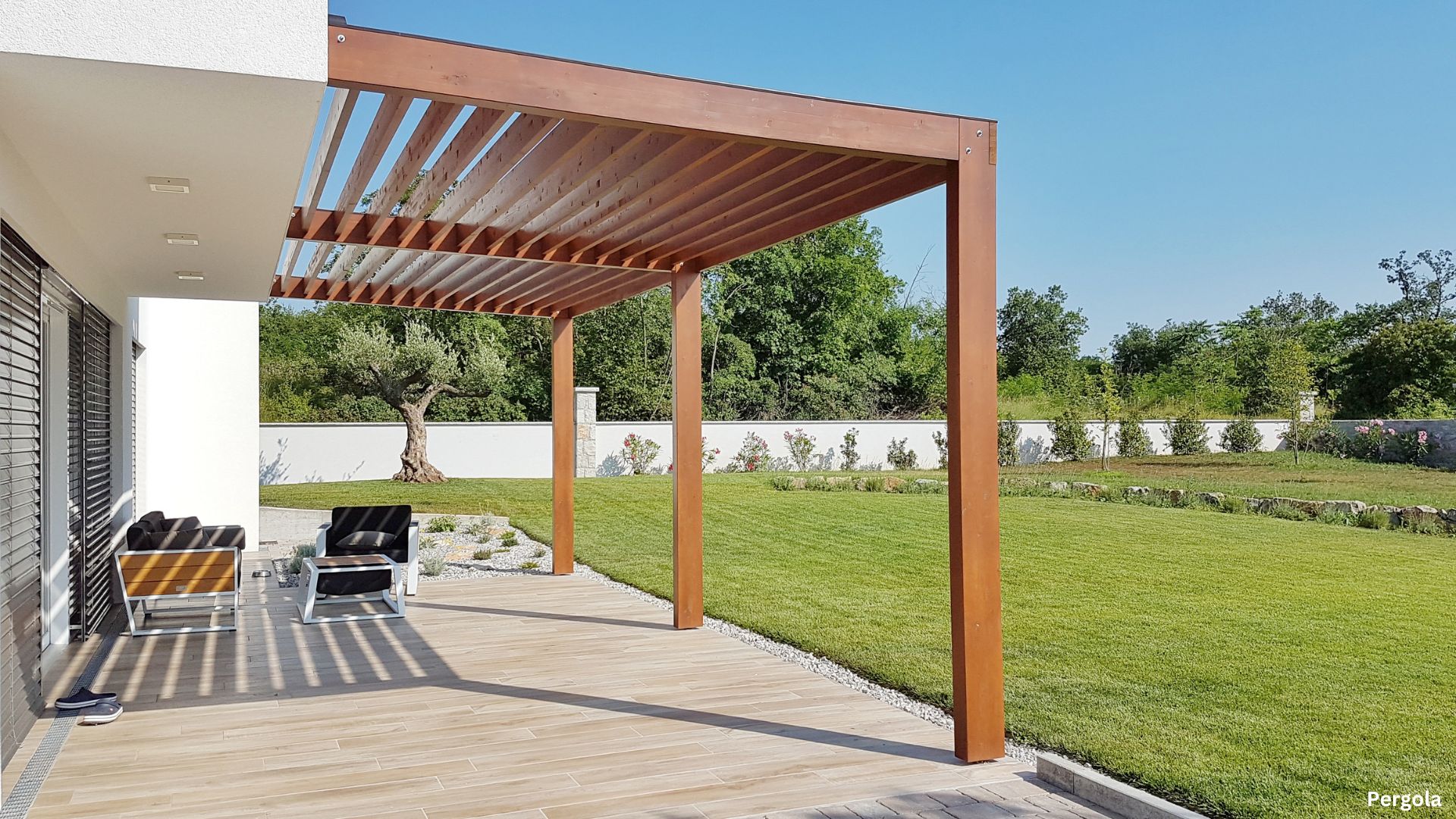
Wood pergola
Wood Pergolas — The Classic Choice
Look and Feel
Wood delivers an authentic, warm finish that blends with gardens and traditional architecture. Cedar and redwood are popular for resistance to rot and insects; pressure-treated pine is cheaper but requires more upkeep.
Pros
-
Natural, high-end appearance that can be stained or painted.
-
Strong structural feel — excellent for climbing plants and heavier attachments.
-
Easier to modify on site (trim, paint, custom joinery).
Cons
-
Needs regular maintenance: sealing, staining or painting every few years to prevent rot, splitting, and insect damage. With proper maintenance a wood pergola can last many years, but it typically requires more care than metal or vinyl.
-
Prone to warping, cracking, and insect attack if not treated.
-
Higher long-term maintenance cost (time and materials).
Best For
Homeowners who want a natural, customizable look and are willing to invest in periodic upkeep.
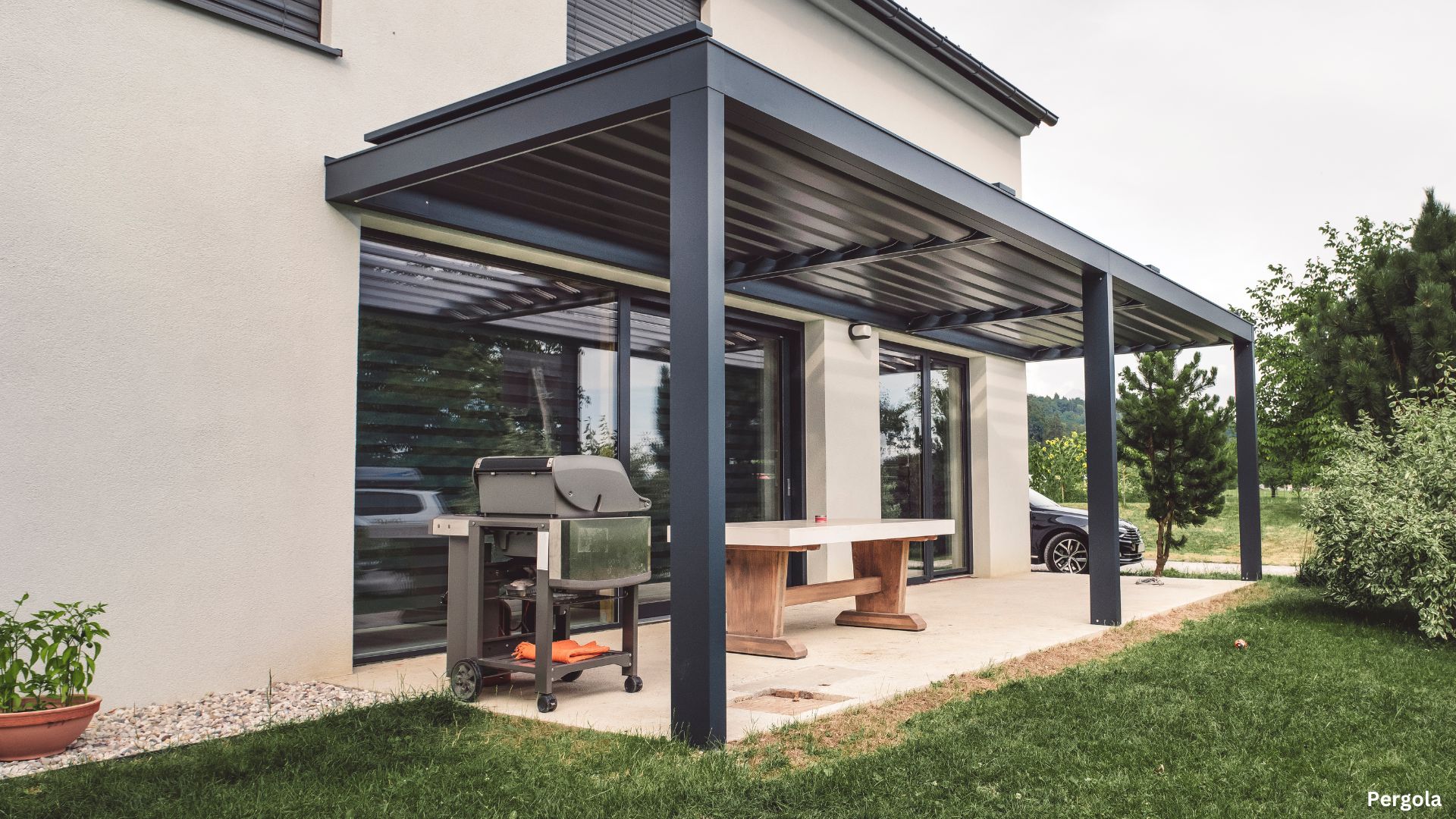
Aluminum
Aluminum Pergolas — The Low-Maintenance Powerhouse
Look and Feel
Aluminum pergolas now come in sleek, modern profiles with powder-coat finishes in many colors. They suit contemporary homes, commercial patios, and areas where durability matters most.
Pros
-
Extremely low maintenance — generally only needs an occasional wash. Aluminum does not rot, warp, or suffer insect damage.
-
Long service life: many aluminum systems are rated to last 20–50 years depending on finish and climate.
-
Strong for its weight — good wind performance when properly anchored.
-
Available in modular systems (louvers, retractable roofs) for added weather protection.
Cons
-
Higher upfront cost than basic wood or vinyl in many markets, though long-term lifecycle costs can be lower.
-
Look is more modern; if you crave the organic warmth of wood, you may need special finishes or wood-look options.
Best For
Buyers who want a “set it and forget it” structure with long life and minimal upkeep — excellent for coastal areas or climates with harsh weather.
Vinyl Pergolas — The Budget, Low-Care Option
Look and Feel
Vinyl (PVC) pergolas are often all-white or limited colors and offer a very clean, replacement-free look. They are common in residential yards that favour low upkeep.
Pros
-
Low maintenance — will not rot, needs only power washing to look fresh.
-
Generally lower initial cost than premium aluminum or high-grade cedar.
-
Resistant to insects and moisture.
Cons
-
Not as structurally robust as aluminum or heavy timber — can sag or crack under heavy snow or very high winds.
-
Limited color options and cannot be stained (paint adhesion on vinyl is challenging).
-
Over long periods, extreme heat and UV can cause brittleness or fading in some products.
Best For
Homeowners who want a practical, low-cost, low-maintenance pergola for mild climates and who do not need heavy attachments or large snow loads.
Comparing Durability, Maintenance, and Cost
In terms of lifespan, aluminum typically lasts the longest with minimal care. Wood can last decades if maintained properly, but neglect shortens its life significantly. Vinyl falls in between, offering decent longevity with limited upkeep but less structural strength.
Maintenance varies widely. Aluminum requires the least effort, wood requires the most, and vinyl sits comfortably in the middle with simple cleaning needs.
Costs depend on design, size, and location, but wood and vinyl often have lower upfront costs, while aluminum may cost more initially but saves money over time due to reduced maintenance and longer service life.
Climate and Structural Considerations
Climate plays a major role in selecting pergola materials. Aluminum performs well in coastal areas and regions with high humidity. Wood can handle many climates when properly treated but needs ongoing protection. Vinyl works best in moderate conditions without extreme heat, cold, or snow loads.
Structural needs also matter. If you plan to add fans, lighting, retractable canopies, or climbing plants, wood or aluminum typically offers better support than vinyl.
Design Flexibility and Customization
Wood offers unmatched flexibility for custom shapes, finishes, and architectural details. Aluminum excels in precision-built systems with integrated features and clean profiles. Vinyl is more limited in customization but works well for simple, consistent designs.
Environmental and Long-Term Value
Each material carries different environmental considerations. Wood is renewable but requires ongoing treatments. Aluminum is recyclable and durable, reducing the need for replacement. Vinyl is low maintenance but less recyclable. Thinking long term helps balance environmental impact with performance and cost.
Final Recommendation
When comparing pergola materials, there is no universal winner. Wood offers warmth and character, aluminum delivers durability and ease, and vinyl provides affordability and simplicity. The right choice depends on your style preferences, climate, maintenance expectations, and long-term goals. For many homeowners, aluminum offers the best balance of longevity and convenience, while wood remains a favorite for classic outdoor spaces.
At PiPergola, material selection is guided by how you plan to use your space, not just how it looks on day one. The goal is a pergola that performs beautifully for years to come.

