
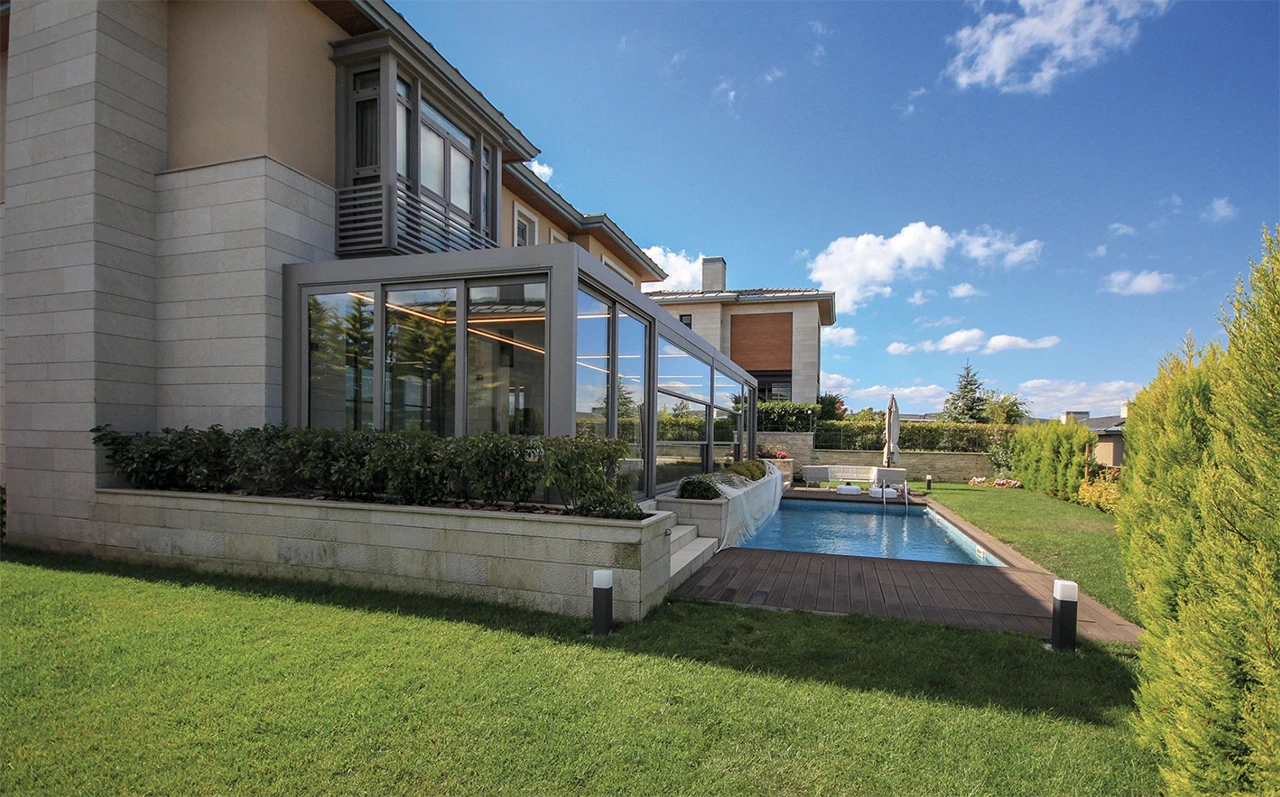
A pergola is one of the most popular ways to elevate an outdoor living space without committing to a full renovation. But before choosing a design, it’s important to understand pergola costs. Pricing can vary widely depending on size, materials, installation method, and added features. Knowing what drives the price helps you set a realistic budget and avoid surprises.
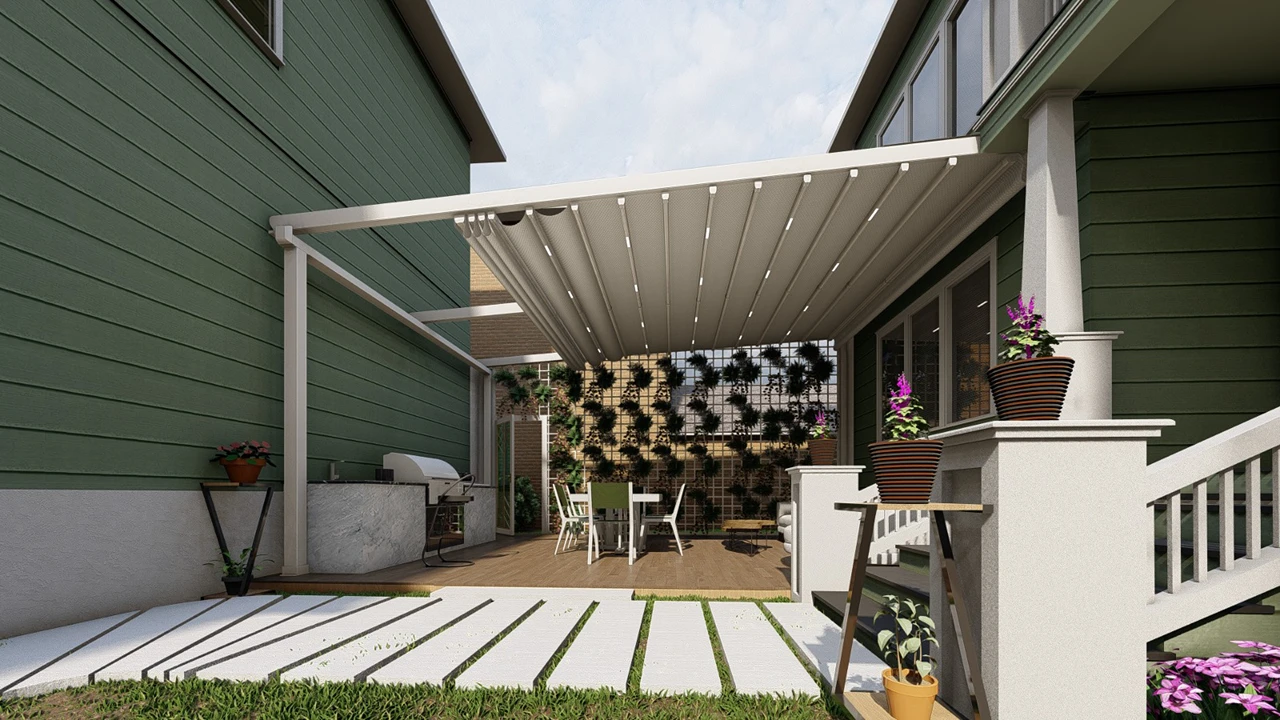
Pergola costs made simple. From basic kits to custom designs, learn what impacts price and how to plan your outdoor upgrade.
Typical Price Ranges At A Glance
Most homeowners spend between $2,000 and $6,000 on a pergola, with many projects falling in the $3,000 to $5,000 range. Simple kits and smaller attached pergolas sit at the lower end, while custom designs and premium features increase overall cost.
The cost of a custom pergola typically ranges from $5,000 to $15,000+, depending on design, materials, and features.
Average Custom Pergola Costs
-
Basic Custom Pergola: $5,000–$7,500
Custom size, standard materials, simple roof design -
Mid-Range Custom Pergola: $7,500–$12,000
Premium wood or aluminum, larger footprint, added shade features -
High-End Custom Pergola: $12,000–$20,000+
Louvered or motorized roof, lighting, fans, heaters, and fully engineered design
What Determines Pergola Costs
Materials Matter Most
Material selection has the biggest impact on pricing. Common options include:
- Pressure treated wood and basic kits at the most affordable level
- Cedar and redwood for a natural look with mid range pricing
- Vinyl and composite for low maintenance performance
- Aluminum and steel for modern designs and long-term durability
- Custom hardwoods and specialty finishes at the premium end
Each material balances upfront cost, longevity, and maintenance needs differently.
Size And Design Complexity
Larger pergolas require more materials and longer installation times. Complex layouts, decorative beams, or custom roof designs add labor and fabrication costs. Attached pergolas typically cost less than freestanding structures since they rely on an existing wall for support.
Foundation And Site Conditions
Ground conditions play a major role in pergola pricing. Concrete footings, leveling, or reinforcement for sloped yards increase labor and materials. Hard-to-access spaces or locations that require deeper footings will also raise costs.
Labor And Installation
DIY pergola kits are available at lower price points for homeowners with construction experience. Professional installation adds labor costs but ensures proper anchoring, code compliance, and long-term stability. Regional labor rates and project complexity influence final pricing.
Add Ons And Custom Features
Enhancements can significantly affect pergola costs, including:
- Retractable or fixed canopies
- Louvered or motorized roof systems
- Integrated lighting and ceiling fans
- Heaters and weather protection panels
- Built-in seating or privacy screens
Advanced features like motorized louvers and smart controls are among the biggest cost drivers.
Permits And Design Requirements
Some pergolas require permits, engineered plans, or inspections depending on location and structure type. These requirements add to upfront costs but protect you from compliance issues later.
What Pushes The Price Higher
- Larger size or freestanding structures
- Premium materials like cedar, hardwood, or powder-coated aluminum
- Motorized or adjustable louvered roofs
- Integrated lighting, heaters, or electrical work
- Concrete footings, site prep, or sloped yards
- Permits and engineered plans
Cost Per Square Foot
Custom pergolas often fall between $40 and $75 per square foot, with luxury builds exceeding that range.

Pergola
How To Control Costs Without Sacrificing Style
- Choose an attached pergola to reduce materials and labor.
- Keep dimensions efficient while meeting your functional needs.
- Select durable materials that reduce long-term maintenance.
- Add premium features in phases instead of all at once.
- Request itemized quotes to clearly compare options.
DIY Versus Professional Installation
DIY pergolas are ideal for simple designs and experienced homeowners. Professional installation is recommended if your project involves electrical work, custom roofing, complex foundations, or permitting requirements. While professional labor increases upfront pergola costs, it often saves time and prevents costly mistakes.
Understanding pergola costs allows you to make confident decisions about design, materials, and features. The best pergola is one that fits your lifestyle, complements your home, and stays within budget. At PiPergola, we help homeowners explore smart options that balance style, performance, and long-term value.

