
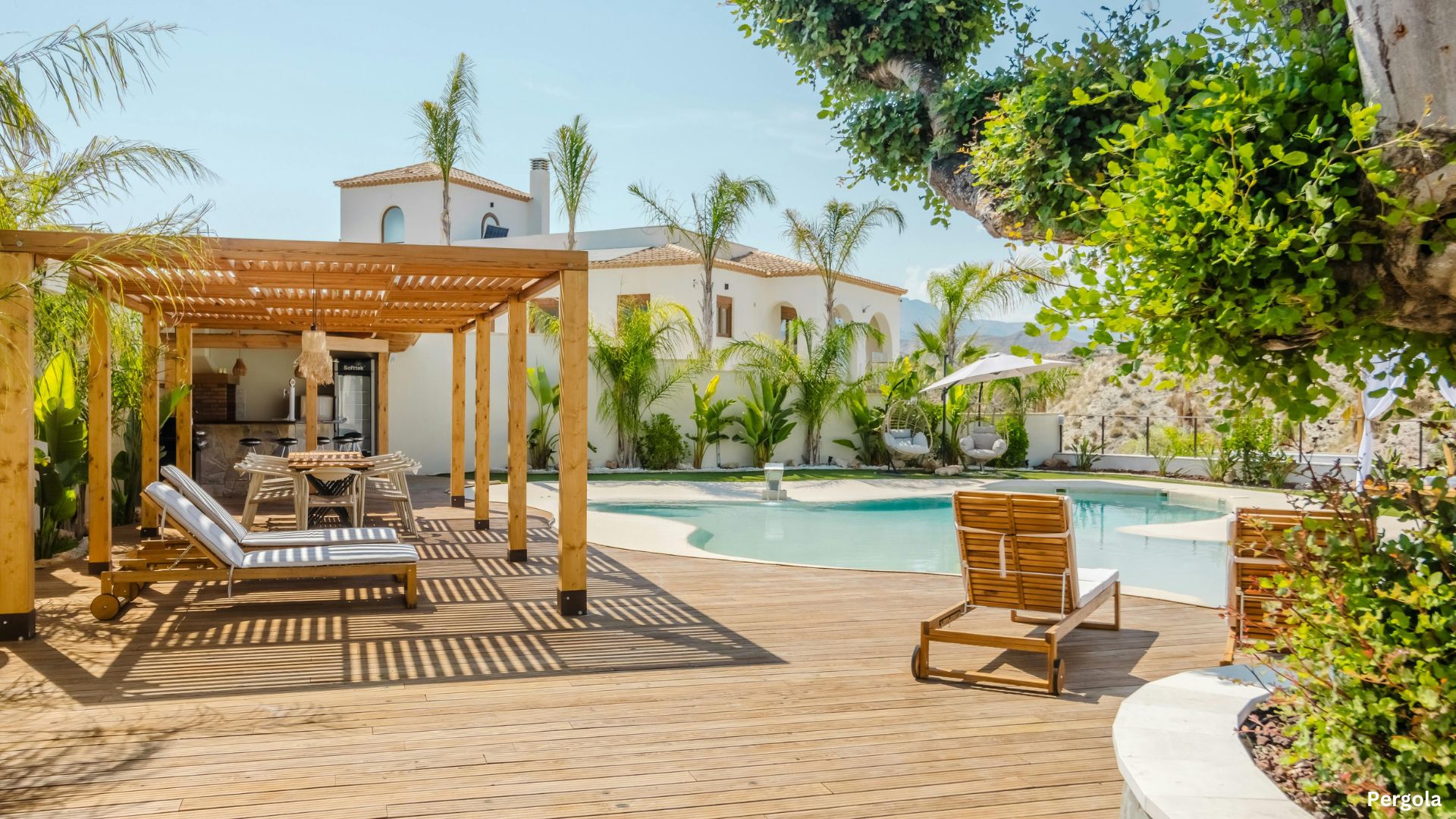
Thinking about pergola installation to elevate your outdoor space? The big decision is whether to DIY a kit or hire a pro. Below, you’ll find a clear comparison of costs, permits, safety, materials, and timelines to help you make the right choice.
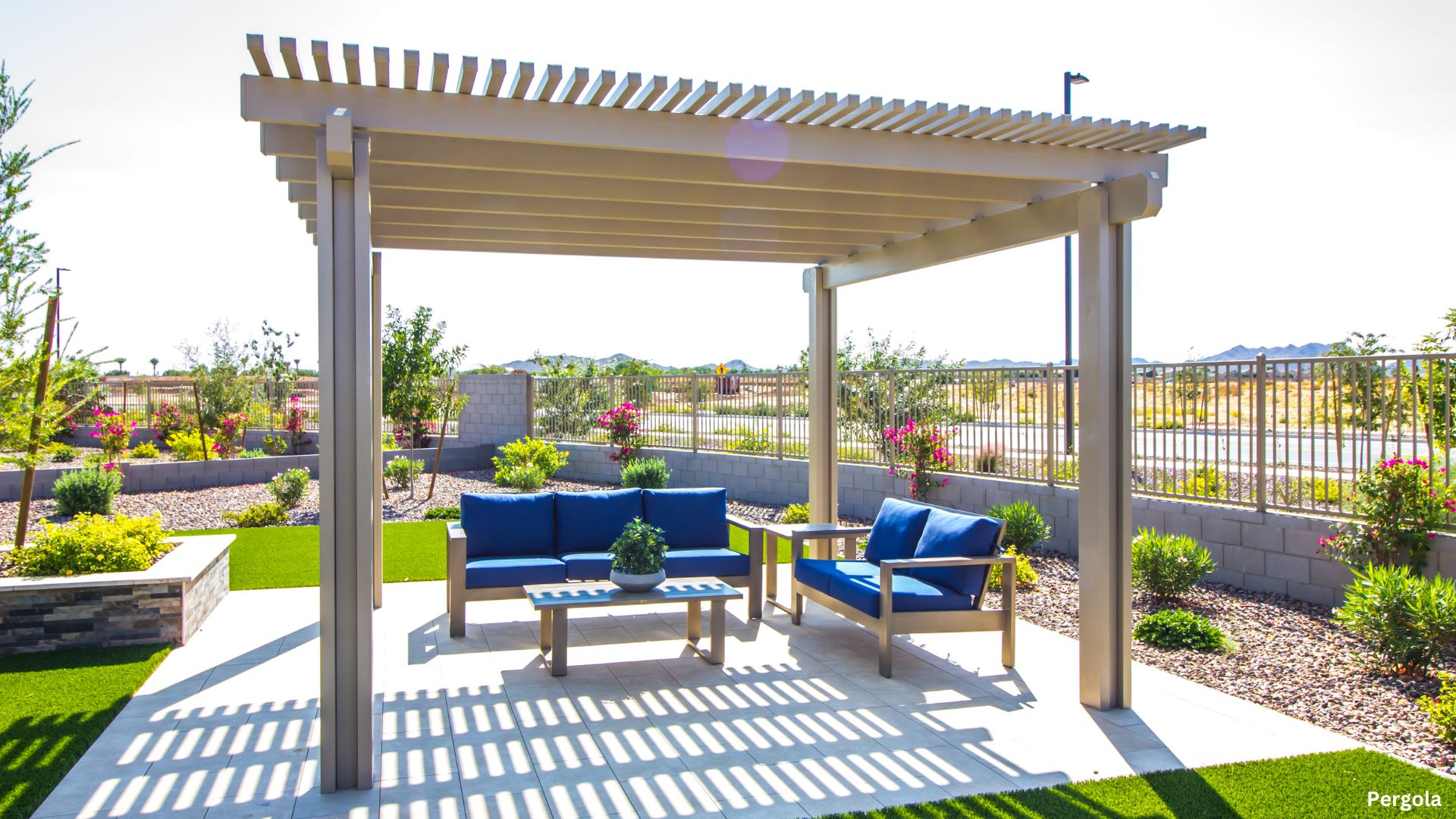
Planning pergola installation? Discover the pros and cons of DIY kits versus professional help, plus costs, materials, and safety tips.
Quick Take: DIY or Hire a Pro?
-
DIY is smart when you’re comfortable with layout, digging, concrete, and fastening hardware—and local rules are straightforward.
-
Hire a pro if your design is large or attached to the house, you need engineered footings, you’re in a high wind/snow zone, or you’ll add electrical (lights, heaters, fans).
What DIY Actually Involves
Building a pergola yourself requires accurate planning and precision. You’ll need to:
-
Lay out the site, dig post holes, and pour footings below frost depth (or to local specifications).
-
Set posts and anchor them properly with bases or caps, then attach beams, rafters, and finishes.
-
Ensure everything is plumb and level, allow for drainage, and tighten hardware after the first weather cycle.
A DIY pergola can be a rewarding project—but it demands time, skill, and the right tools.
Permits & Codes: “It Depends on Where You Live”
Permit requirements vary by city:
-
Some locations require permits for any structure, regardless of size.
-
Others allow smaller pergolas without a permit if they don’t exceed certain dimensions or include electrical work.
-
Areas with snow or wind concerns may also require engineered footings.
Always check with your local building department before starting your pergola installation to avoid fines or forced removals.
What Will It Cost?
Typical U.S. price ranges (materials + labor where noted):
-
Average project: $2,100–$6,500
-
DIY kits: $1,500–$2,500 for standard sizes
-
Professional install: $3,000–$8,000+ depending on materials and complexity
| Option | Typical Range | You’re Paying For |
|---|---|---|
| DIY Kit (self-install) | $1,500–$2,500+ | Materials only; your time + tools |
| DIY (scratch build) | $1,000–$3,000+ | Lumber, concrete, hardware; no labor cost |
| Pro Install (standard) | $2,100–$6,500+ | Labor, site work, code compliance |
| Custom/Engineered | $10,000+ | Design, engineering, premium materials |
Costs depend on size, materials (wood, aluminum, vinyl), local labor rates, and permit fees.
Materials: Maintenance, Look, and Longevity
-
Wood (cedar/redwood): Warm and natural but needs sealing and staining every few years.
-
Vinyl: Low maintenance and weather-resistant but limited in color and customization.
-
Aluminum: Durable, lightweight, and low maintenance with long-lasting powder-coated finishes.
Safety: Don’t Skip This
Most DIY injuries happen on ladders or during heavy lifting. Always use safety gear, stable ladders, and get help with large beams. If you’re not confident handling heavy materials or power tools, professional installation is a safer choice.
Electrical, Lighting & Add-Ons
Adding outlets, lighting, heaters, or fans requires extra care:
-
Outdoor outlets must be weather-protected and GFCI-rated.
-
New circuits or line-voltage lighting often need electrical permits.
If your pergola installation includes electrical features, hire a licensed electrician to ensure code compliance and safety.
Timeline: How Long Will It Take?
-
DIY: 1–2 weekends for a simple kit (plus time for concrete curing).
-
Professional: 1–3 workdays for standard builds; longer if permits or engineering are needed.
When DIY Makes Sense
-
Flat, accessible site; small-to-mid kit; no electrical.
-
You’re confident with concrete, leveling, and fastening.
-
Local rules are simple or you’ve confirmed no permit is needed.
When Hiring a Pro Pays Off
-
Large or attached pergolas.
-
Areas with strict inspection requirements.
-
You want one accountable party for design, permits, and warranty.
A professional can also recommend the right materials for your climate and ensure the structure meets safety and code standards.
Contractor Vetting Checklist
-
Licensed and insured
-
Clear scope of work and permit handling
-
Footing plan and anchoring hardware details
-
Written warranty and cleanup agreement
-
References or portfolio of previous builds
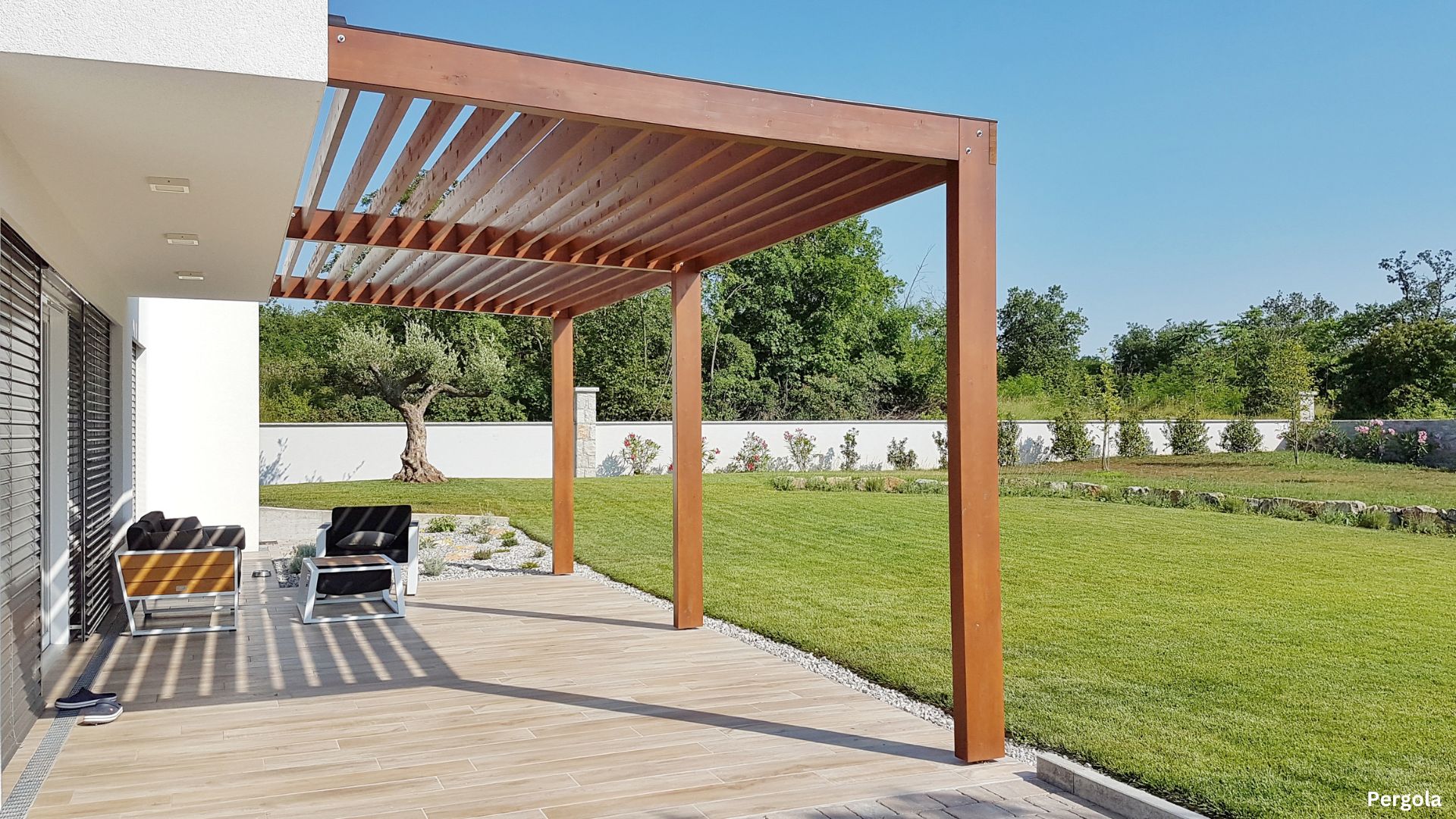
Pergola
Whether you DIY or hire a pro, a successful pergola installation depends on careful planning. Confirm permits, choose durable materials, and build with safety in mind. Done right, your pergola will be a lasting centerpiece of your outdoor space.

